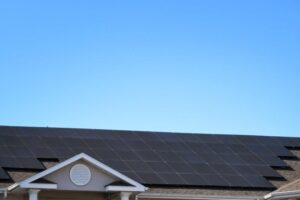
Electricity is an essential part of modern life, powering everything from household appliances and lighting to heating, cooling, and electric vehicles. As energy costs and environmental concerns become increasingly important, many homeowners are rethinking how they generate and consume electricity. Solar energy has emerged as an attractive option for households looking to explore alternative energy sources and gain greater control over their energy use.
Advances in solar technology, improvements in installation methods, and the growing availability of home energy storage have made residential solar power an increasingly practical consideration. Rather than relying exclusively on electricity supplied through the traditional grid, homeowners can now explore ways to generate a portion of their own power directly from sunlight.
Understanding how solar energy works, what it can offer, and which factors influence its performance can help homeowners decide whether it makes sense for their properties.
Understanding How Residential Solar Energy Works
Residential solar systems use photovoltaic panels to convert sunlight into electricity. When sunlight reaches the solar cells within a panel, it creates an electrical current that can be used to power household equipment.
For homeowners exploring their options, working with an experienced provider such as EcoNova Solar in Ontario Canada can be a starting point for understanding available solar solutions and determining whether a system is suitable for their property.
Because solar panels produce direct current electricity, an inverter is needed to convert it into alternating current, the type of electricity commonly used by household appliances.
Once converted, the electricity can supply …